Yu-Gi-Oh!
Yu-Gi-Oh! card scanner and value checker.
Rarity and edition decide what a Yu-Gi-Oh! card is worth. Card AI suggests the match so you can confirm both before pricing it.
 DownloadApp Store
 Store Link PendingGoogle Play
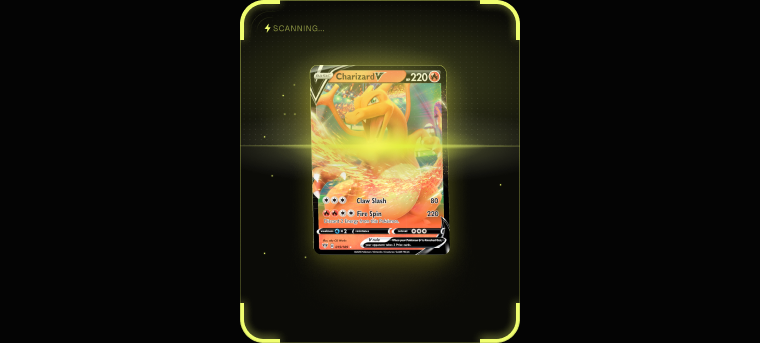
Review rarity and edition before pricing.
Scan candidates include available set code, card number, and rarity data. Confirm the edition and selected record, then continue to the card price checker.
Illustrative Card AI screen composite. Values shown are examples; market prices, history, and sold-listing availability depend on the selected card.
Rarity tiers are the whole game in Yu-Gi-Oh! pricing
Yu-Gi-Oh! prints the same card at many rarity levels, and the spread between them is wide. A common copy and a Secret Rare of the same card are not remotely the same asset, and Ghost, Starlight and Quarter Century treatments sit further up again.
Scan candidates include catalog details such as set code, card number and rarity. Review those details and confirm the edition before using that printing's price.
First Edition and Unlimited are different markets
The edition marking under the artwork changes the value of a Yu-Gi-Oh! card, often substantially on older and competitively relevant cards. First Edition print runs are smaller and are priced accordingly.
Check that marking during Review and confirm the matching catalog record. First Edition and Unlimited copies can then be stored as separate entries with separate values.
Raw condition and slab grades tracked apart
- Raw cards are recorded with their condition, so a near-mint copy is not valued as a played one
- Graded cards are recorded with the grading company and grade, covering PSA, BGS, CGC and SGC
- The same card can appear twice in your collection, once raw and once graded, each priced on its own market
You enter the grade from the slab. Card AI does not predict what a raw card would grade.
Related
Yu-Gi-Oh! card scanner questions.
Can the scanner tell a Secret Rare from a common copy?
Scan candidates include rarity alongside set code and card number when the catalog provides it. Review those details and confirm the edition before adding the card.
Does Card AI handle OCG cards?
Language is tracked as part of each card record, so Japanese and English copies of the same card are stored and priced as separate entries.
What is my Yu-Gi-Oh! card worth?
Select the matching catalog record, confirm the edition, and choose a raw condition or existing slab grade. Card AI then shows the relevant market price and available price history.
Does it work as a Yu-Gi-Oh! card price checker too?
Yes. The YuGiOh card value scanner and the search-based YuGiOh card price checker return the same record, so you can check yugioh card value either by scanning or by looking the card up. Cards you add build a yugioh card collection tracker.
Try the yu-Gi-Oh! card scanner in Card AI.
Scan Yu-Gi-Oh! cards, confirm rarity and edition, and track raw or graded copies separately.
DownloadApp Store
Store Link PendingGoogle Play